
Protecting Bats, One of the Most Misunderstood Animals, Across The Nation
In horror stories, as Halloween props, even as the secret identity of a superhero, the bat is arguably the most misunderstood creature in nature. But conservationists know the truth: that bats are critical to the ecosystem and protecting bat habitats has significant conservation value.
Bats play critical roles in the U.S. as they control agricultural, forest and human pests. Recent studies estimate that the pesticide services of bats are worth more than $1 billion annually to the U.S. corn industry alone, and more than $3 billion annually to all agricultural production.
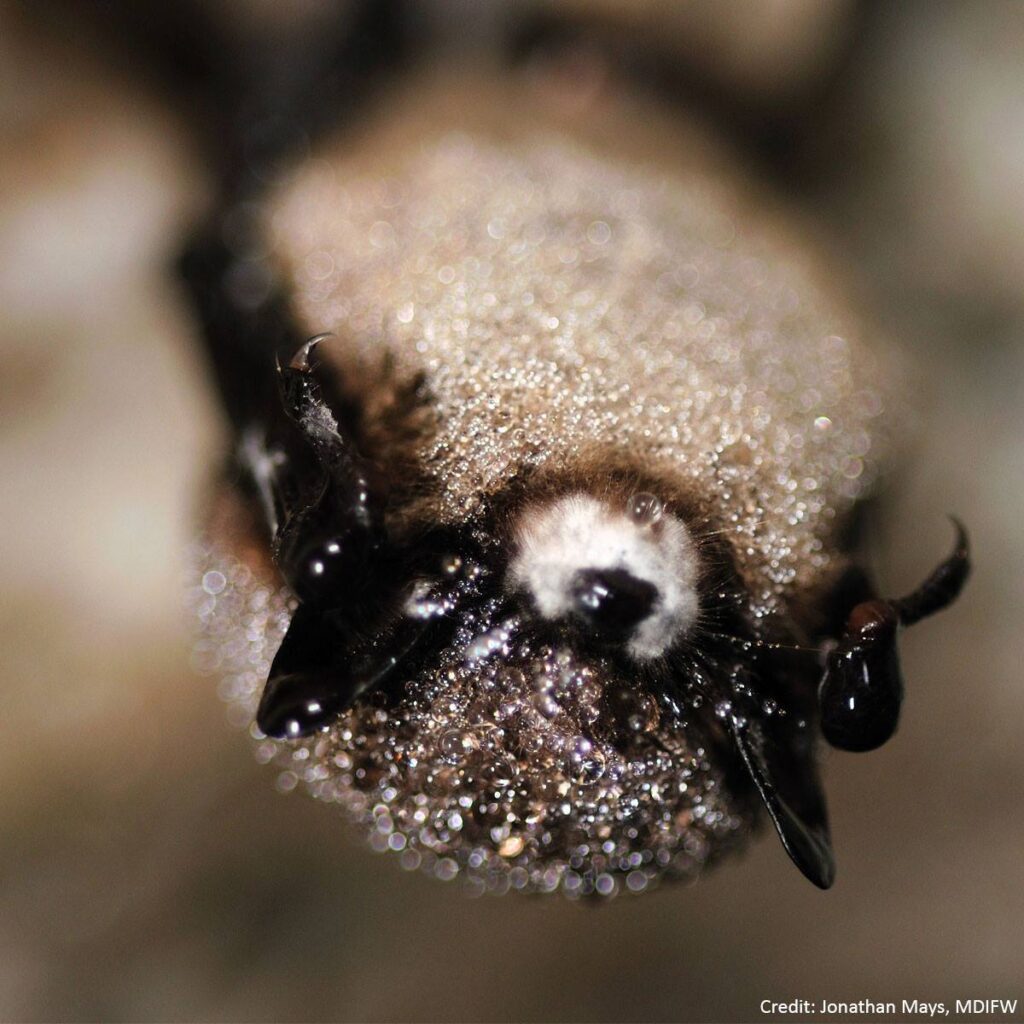
Unfortunately, more than seven million bats have died over the past decade from the spread of white-nose syndrome (WNS), a disease caused by a cold-loving fungus that attacks hibernating bats. In some sites where WNS has been detected, up to 100 percent of bats have disappeared. Since signs of the disease were first observed in New York in 2006, WNS has spread rapidly to 38 states and seven Canadian provinces.
As a leading clean energy company, we value and engage in environmental stewardship – efforts to support conservation, protect our natural environment and address climate change. We bring this work to life across our operations by supporting organizations and initiatives committed to effecting positive environmental impacts.
We’re committed to wildlife protection, preserving healthy ecosystems and promoting biological diversity—all of which are essential for a sustainable future—and we’re proud to be making real impacts in the communities we serve.
Here are some examples that demonstrate how we’re helping protect bat populations around the nation:
Avangrid Foundation’s Partnership with the National Fish and Wildlife Foundation:
The Avangrid Foundation has been a proud supporter of the National Fish and Wildlife Foundation (NFWF) and their efforts to understand and protect a diverse range of wildlife across the U.S. for the past five years. This includes their Bats for the Future Fund, which provides grant funding to universities, wildlife departments, and environmental nonprofits who are focused on slowing the spread of WNS in North America, promoting the survival and recovery of WNS-affected bat populations, and researching this disease.
Recently, the NFWF announced $478,000 in grants from Bats for the Future Fund to recipients who will test new methods to reduce the impacts of WNS.
Avangrid’s protection of bat populations in NY:
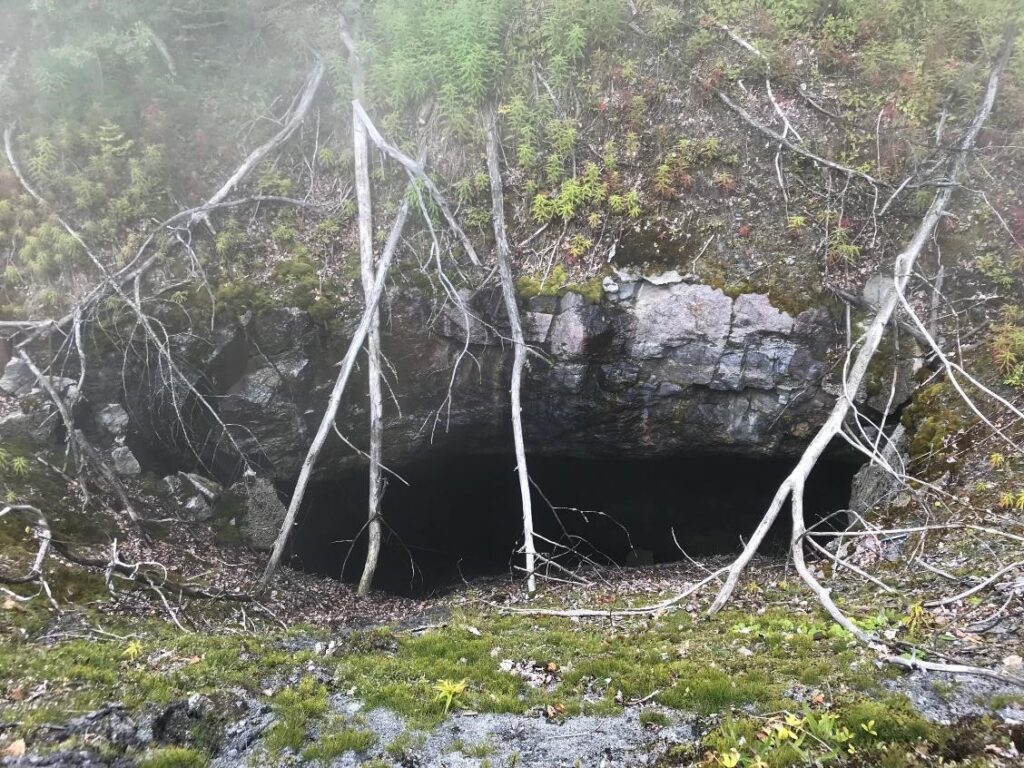
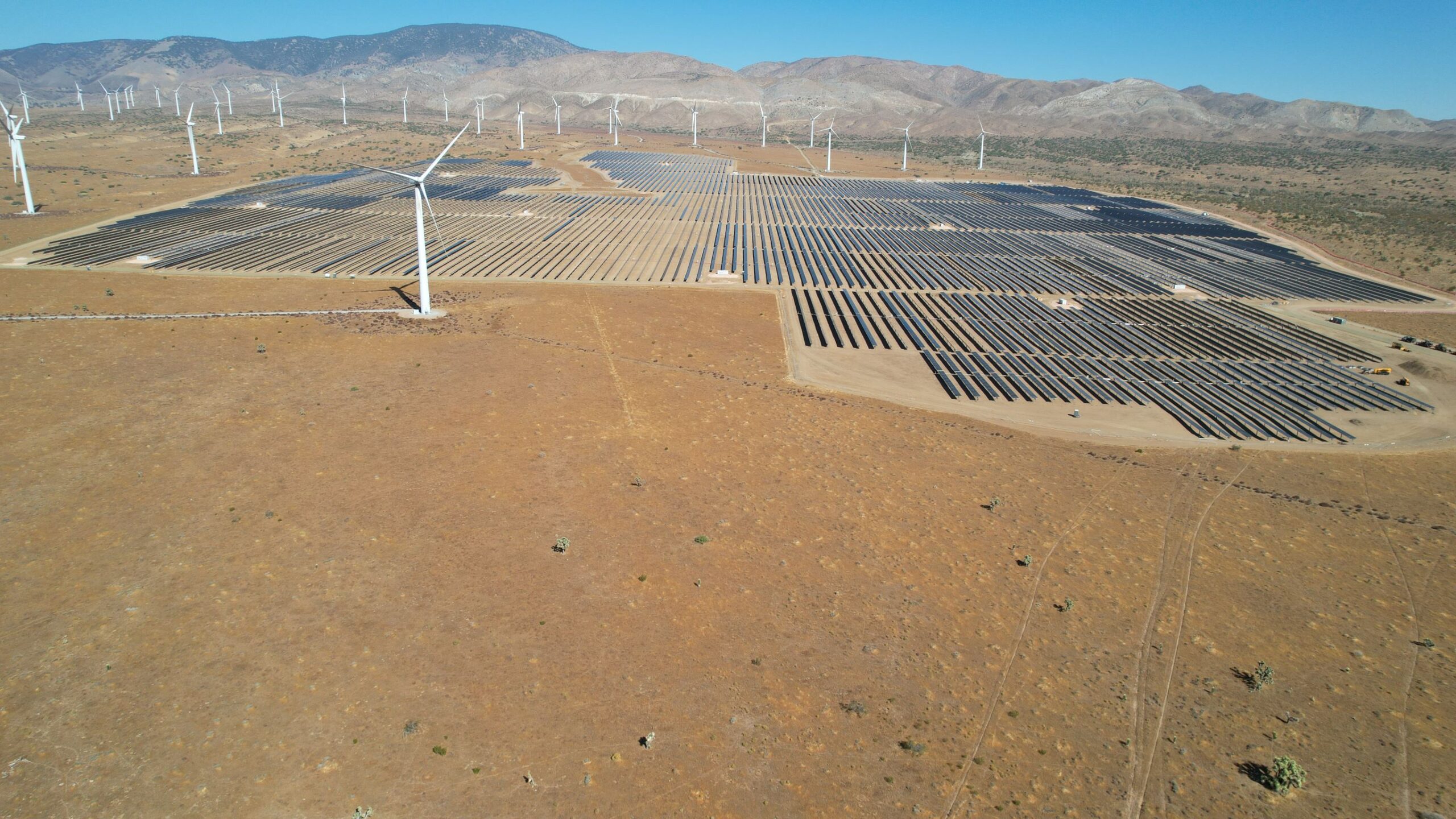
To mitigate potential impacts from the Roaring Brook Wind Farm, our renewables division planned a project to protect bats who have occupied an abandoned mine shaft in Barton Hill Mine in Essex County, New York.
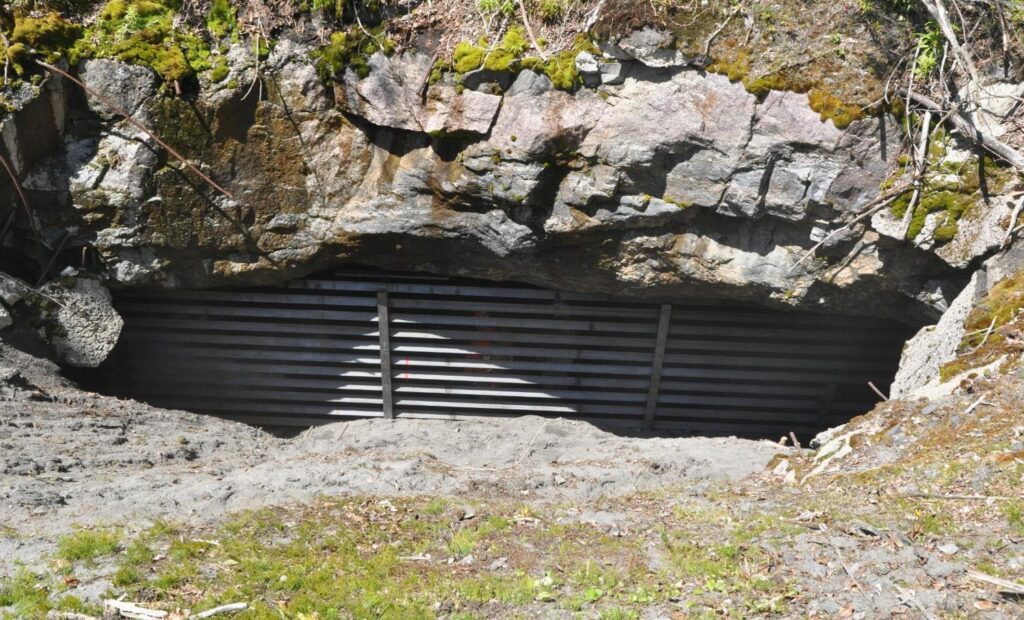
“We are committed to responsibly sited wind energy, and we believe that our facilities can deliver economic and environmental benefits to communities,” said Melissa Fisher who serves as Senior Environmental Permitting Manager on our renewables team. “By gating the Barton Hill Mine, we are able to provide a conservation benefit to the state of New York and to important bat populations in the region.”
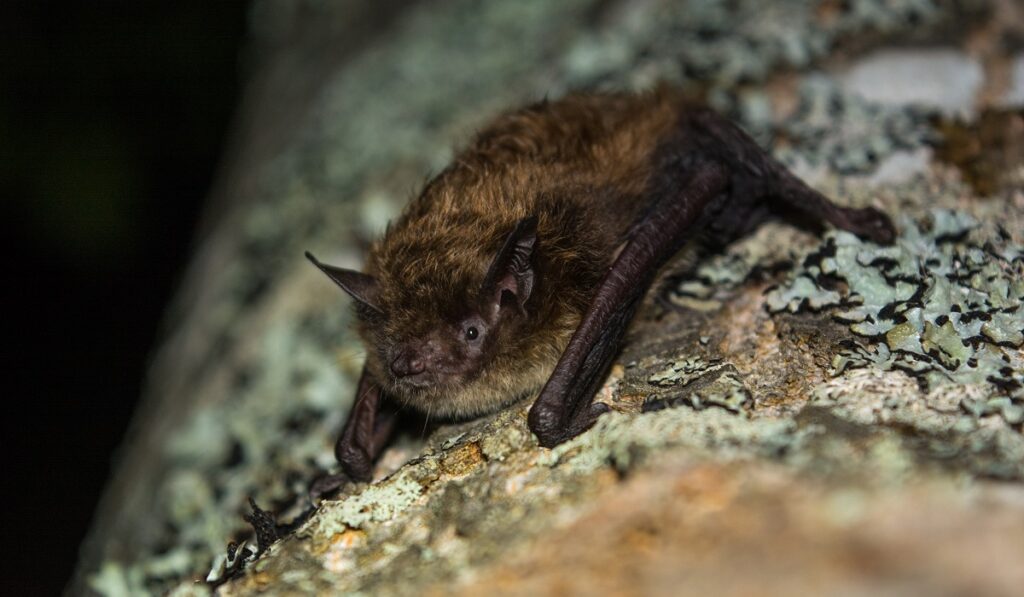
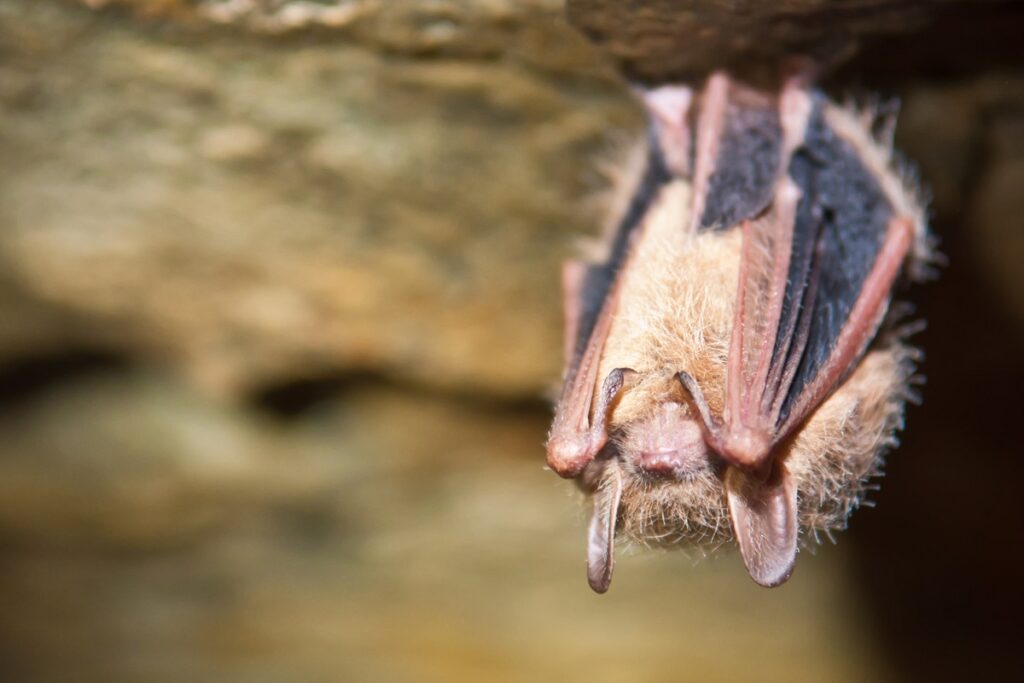
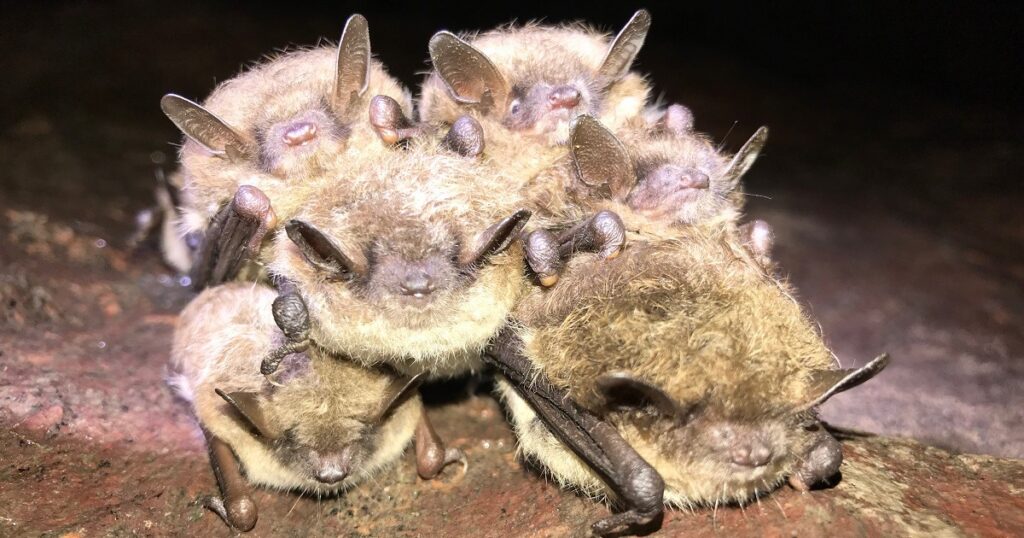
Our team took definitive action to protect the important habitat and the population of bats known to reside in the mine. A team of specialists installed a metal gate across a large entrance to the mine to protect several species of bats including the federally endangered Indiana bat, the federally and New York state threatened Northern long-eared bat, as well as little brown, big brown and eastern pipistrelle bats. The gating design is unique as it both prevents bat disturbance from human interference and provides adequate space for bat access.
The US Fish and Wildlife Service and the New York Department of Environmental Conservation have identified the project as having high conservation value, as the gate is expected to protect thousands of bats per year, and its completion reduces the nuisance qualities and potential safety risk of an open abandoned mine entrance.
This Halloween, instead of being spooked by bats understand they play a vital role in our planet’s ecosystem.