

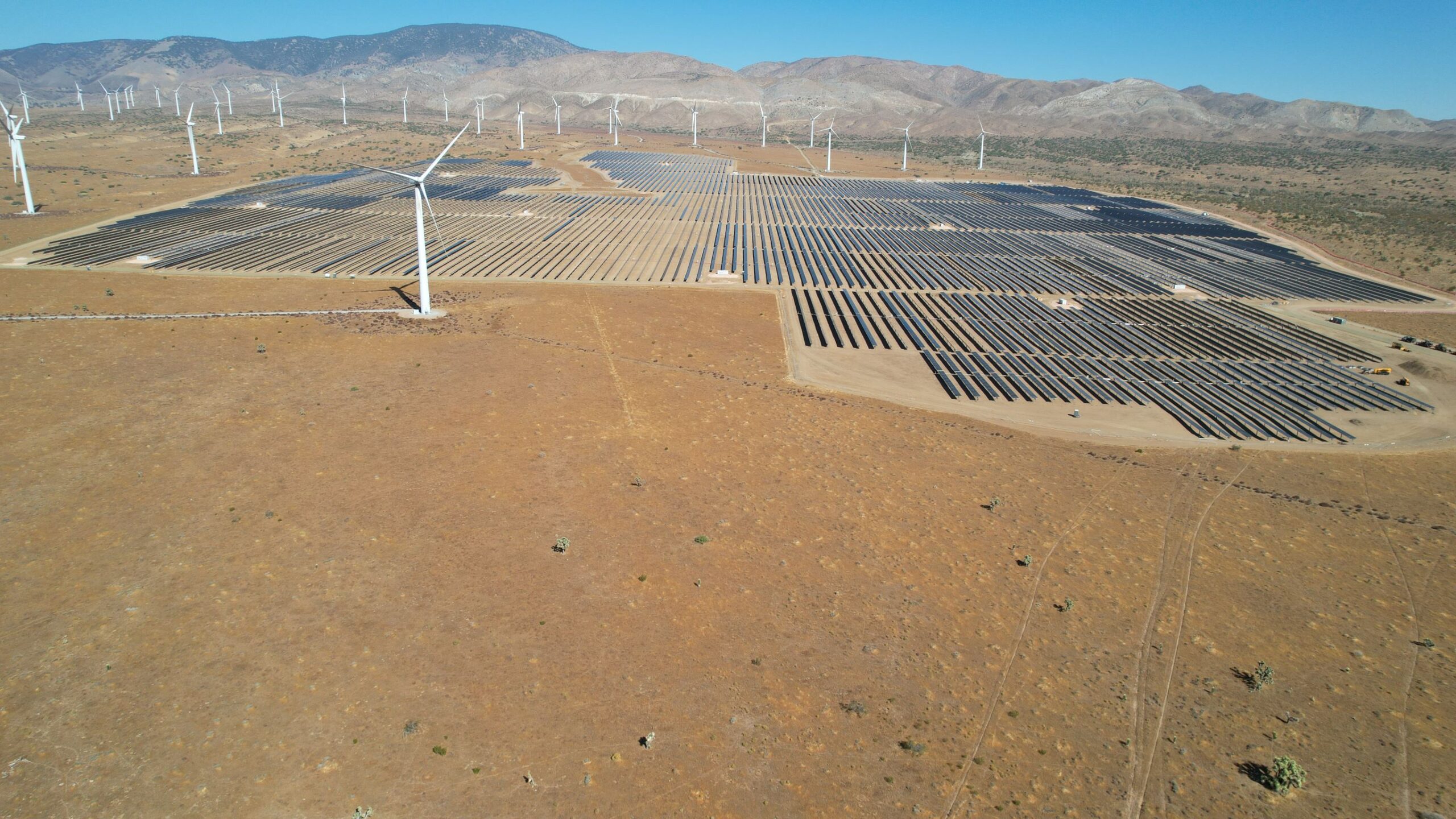

Carbon Neutrality: It’s an Ambitious Goal
It was ambitious in 2017, when Avangrid became the first American utility to commit to carbon-neutral goals and set a target for 2035.
It became even more ambitious in 2022, when we moved the date up – targeting 2030 (5 years earlier!) to achieve carbon neutrality in Scope 1 and Scope 2 emissions. Wait – emissions have scopes? And what does “carbon neutrality” actually mean? Let’s explore. This is the first of a 3-part series on the (very) basics of carbon neutrality.
Part I: The Problem
First, a refresher on the problem we’re trying to solve, which is: a dangerously warming planet.
Earth’s average surface temperature is now about 2°F warmer than late 1800’s pre-industrial revolution levels. That may sound minor, but the ecosystems we depend on for our resources are interconnected and susceptible to human impact. That warmth is causing a chain reaction of problems. For example: warmer temp = warmer oceans. Warmer oceans mean more tropical storms, more flooding, and more disruption of marine life – which can result in damage to coastal communities, people’s food chains, and so on.
So, what’s the cause of that problematic warmth? Greenhouse gas emissions. The term “greenhouse gas” refers to a variety of gases that all trap heat in the atmosphere, but the one we’re focused on here is carbon dioxide (CO2).
At normal levels, carbon dioxide is not problematic – it’s actually critical to our ecosystem. We naturally exhale it, and plants absorb it in order to grow. The problem is that the fuels we burn to power activities like electricity, heat, and transportation are causing an excess of CO2. And of all the increased greenhouse gases that result from human activities, CO2 has two problematic attributes – it is very common, and it stays in the atmosphere for a long time.
How does CO2 get released into the atmosphere in the first place? Carbon dioxide is a very common emission from day-to-day activities – particularly transportation using fossil fuels (cars, boats, planes, trains) manufacturing (producing the chemicals, metals, and materials used to make all the things we buy) and last but not least – energy. The energy production process that provides critical electricity and heat to people still relies heavily on CO2 generating activities like burning oil, gas, or coal.
By the numbers:
- 60%: The percentage of fossil fuel-based energy sources in the US in 2023 (43% natural gas and 16% coal).[1]
- 80%: Carbon dioxide’s share of America’s total 2022 greenhouse gas emissions. It’s the most common and abundant of the heat-trapping gases (the runner-up is methane at 11%).[2]
- 100 years: The time it takes about half a pulse of carbon dioxide to leave the atmosphere.[3]
In short: carbon dioxide levels matter immensely – to us as people and to Avangrid as a business – because our collective well-being and our financial economy will be compromised by a warmer world. Storms, wildfires, food and water supply disruptions, undesirable outdoor conditions, loss of species, and floods are all effects of too much carbon dioxide in the atmosphere – and all can be damaging to businesses and communities.
Now that we better understand the problem we’re trying to solve (a warming planet) and what the root cause is (greenhouse gas emissions – especially carbon dioxide), we can better understand the solutions (you guessed it: lower greenhouse gas emissions!).
In our next article, we’ll learn about solutions and explain some of the terms you often see when companies set goals and measure progress, like “carbon footprint”, “carbon equivalent”, “NetZero”, and more!
Learn more about Sustainability at Avangrid and be sure to check out our 2023 Sustainability Report.
1 https://www.eia.gov/tools/faqs/faq.php?id=427&t=3
2 https://www.epa.gov/ghgemissions/overview-greenhouse-gases
3 https://www.ucsusa.org/resources/why-does-co2-get-more-attention-other-gases