Shaping the Future: Avangrid’s Workforce Development Programs Build Careers and Communities
At a time when the energy sector—and the nation—faces a shortage of skilled trade workers, Avangrid is investing in the next generation through numerous workforce development programs and initiatives. By partnering with our unions, technical high schools, and community resources across our service areas, Avangrid is not only filling a critical talent gap, but also providing students with a pathway to fulfilling, well-paying careers in the energy industry.
 In Maine, Central Maine Power (CMP) partners closely with Kennebec Valley Community College to support its Electrical Lineworker Technology Program, welcoming graduates into paid apprenticeships. The only such program in Maine, it prepares students with the necessary skills to maintain and advance the state’s energy grid.
In Connecticut, United Illuminating (UI) is participating in a similar lineworker program in collaboration with The WorkPlace and Housatonic Community College, as well as entering the third year of its Trade Internship Program, which offers rising high school seniors hands-on experience in the electric energy sector. The trade internship program expanded in 2024 to include natural gas under Southern Connecticut Gas (SCG), creating even more opportunities for students to explore skilled trade careers. And this year, it is expanding to CMP in Maine, Berkshire Gas Company (BGC) in Massachusetts, and New York State Electric & Gas (NYSEG).
And in New York, NYSEG offers an innovative program with SUNY Broome Community College. The Lineworker Training Program, launched in April 2024 in partnership with the International Brotherhood of Electrical Workers (IBEW) Local 10, prepares students at SUNY Broome for in-demand skilled positions.
“Our goal is the long game,” said Olga Kaminskiy, Director of Talent Acquisition within Avangrid’s People and Organization team. “We’re not just exposing students to what a career in utilities looks like—we’re staying in touch, mentoring them, and actively trying to bring them back once they’ve graduated and earned their credentials.”
The Trade Internship program in Connecticut focuses on high school juniors attending technical schools that offer hands-on training in carpentry, plumbing, electricity, and other trades. These students are already gaining experience in their chosen fields and are eager to enter the workforce. The UI program bridges the gap between the classroom and a real-world career, offering 10-week immersive opportunities where students work alongside experienced professionals in the field. The program is offered in collaboration with Utility Workers Union of America (UWUA) Local 470-1.
“Fifty percent of our workforce will be eligible to retire in 5 years, and you have to backfill that workforce,” says John Paul MacPherson, a working leader and program trainer at UI. “You have to get in young, new talent.”
Avangrid also maintains close relationships after the program ends, offering support with job placement, licensing, and entry-level applications.
“These programs aren’t symbolic—they’re substantial,” Kaminskiy explains. “Students work on active job sites, contribute to meaningful projects, and engage with tools and technologies that power entire communities. We want them to see this not only as a summer job, but as a potential long-term career.”
One standout success story is Tiffany Rosado , a former UI intern who is now a full-time employee. “For me, I think this experience was absolutely amazing,” Rosado said. “This is the best opportunity I could have ever been offered.”
“Our partnership with UI and SCG allows our students to explore career opportunities in the electric and natural gas industries, bridging the gap between classroom learning and professional work experience,” said Susan Foss, Principal of Bullard-Havens Technical High School. “These internships are invaluable in supporting our district’s Vision of the Graduate and ensuring that our students have the skills and experience they need to succeed in the workforce after graduation.”
Similarly, NYSEG’s partnership with SUNY Broome combines classroom instruction of both technical and professional skills with hands-on training at NYSEG’s training facility and pole yard in Johnson City. The program features a paid internship, and, upon completion, students have an opportunity to interview for employment with NYSEG.
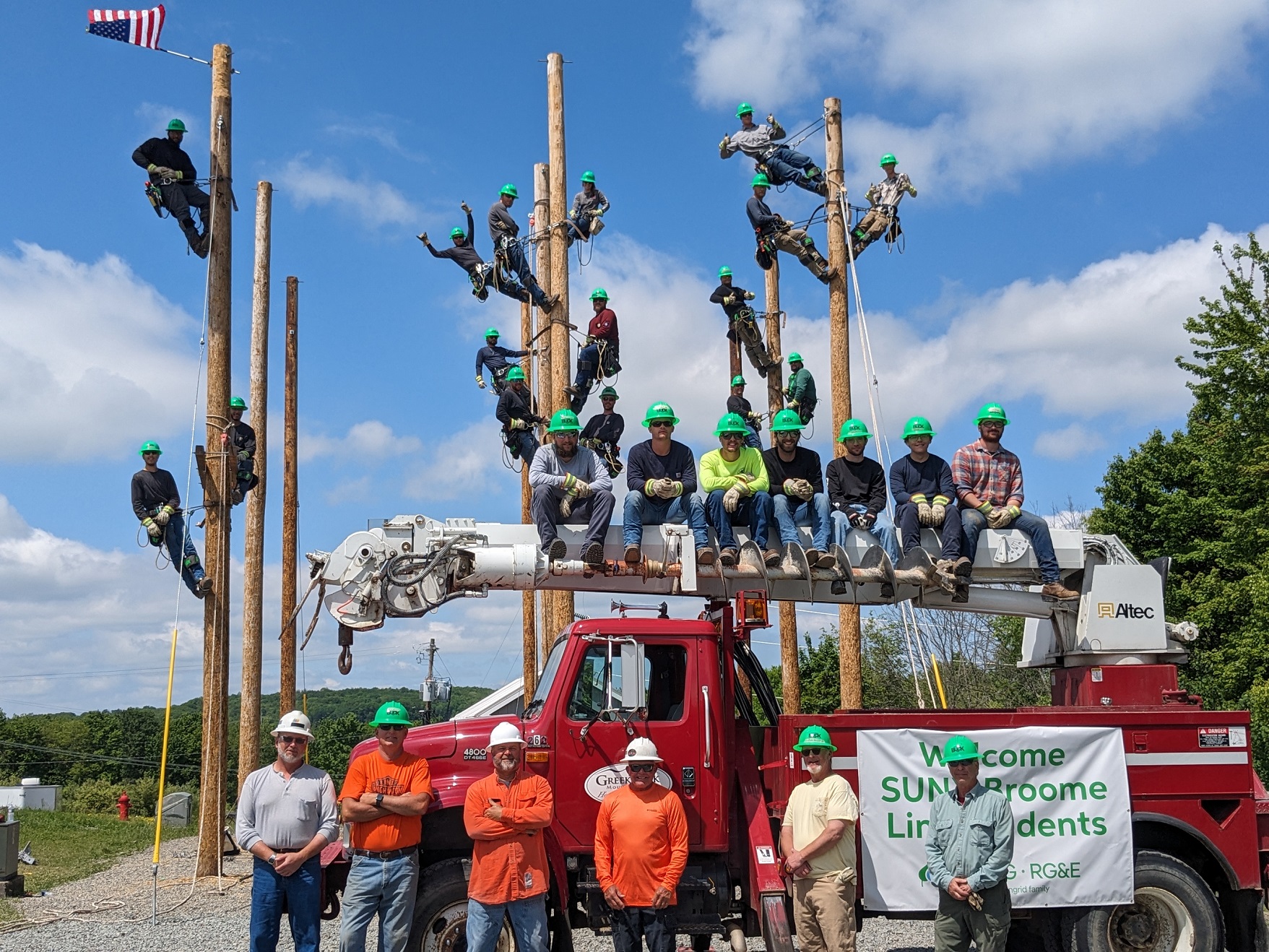
Members of the SUNY Broome Lineworker Program
“Ensuring the future of the energy industry is essential,” said Patricia Nilsen, president and CEO of NYSEG and Rochester Gas & Electric. “This partnership with SUNY Broome and the IBEW is the perfect example of how we are ensuring a talent pipeline of future electrical workers, one of our most critical resources. Together, we are improving our grid and providing safe and reliable service to the community.”
In addition, NYSEG partners with BOCES (Board of Cooperative Educational Services) in New York, which serves a network of technical high schools. Across the system, NYSEG currently engages students from about 15 schools, each selected based on proximity to service areas and alignment with infrastructure and training needs, to introduce careers in the skilled trades.
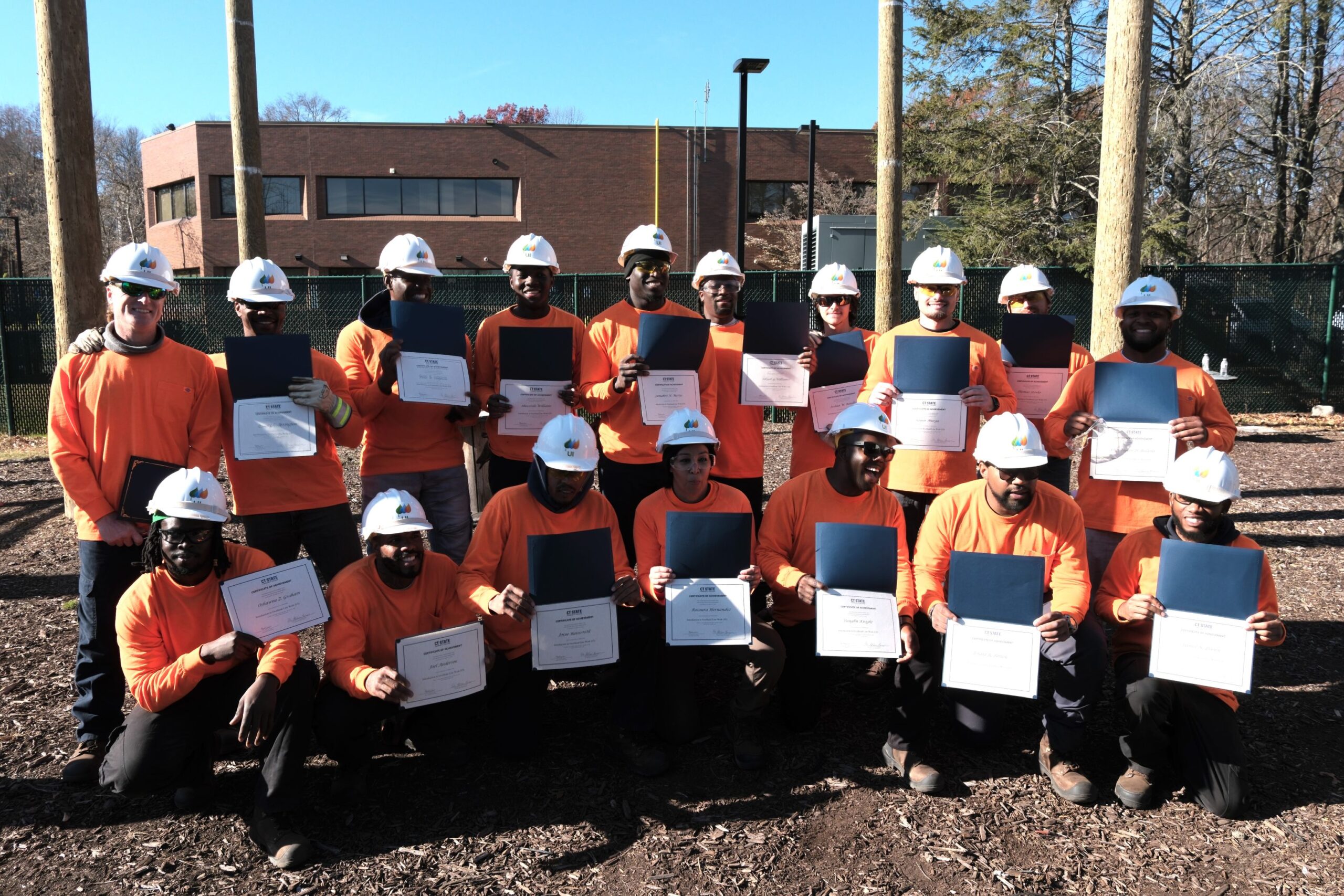
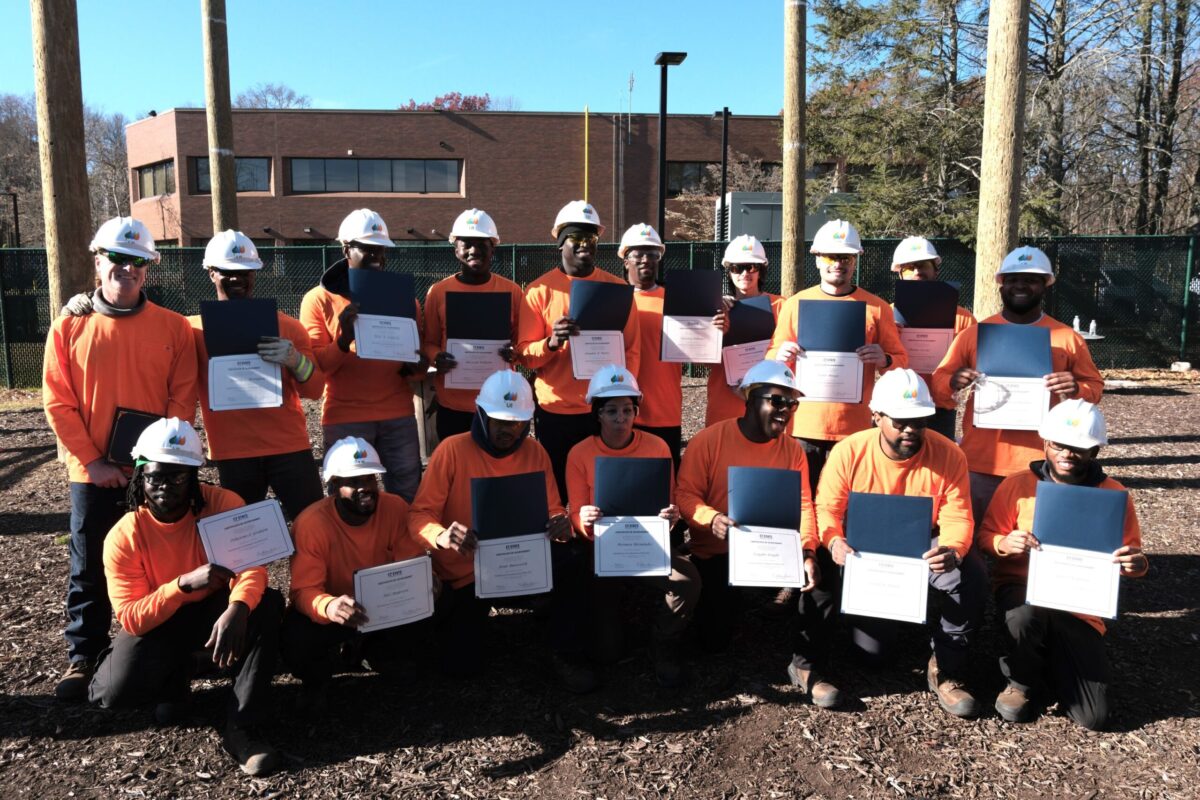
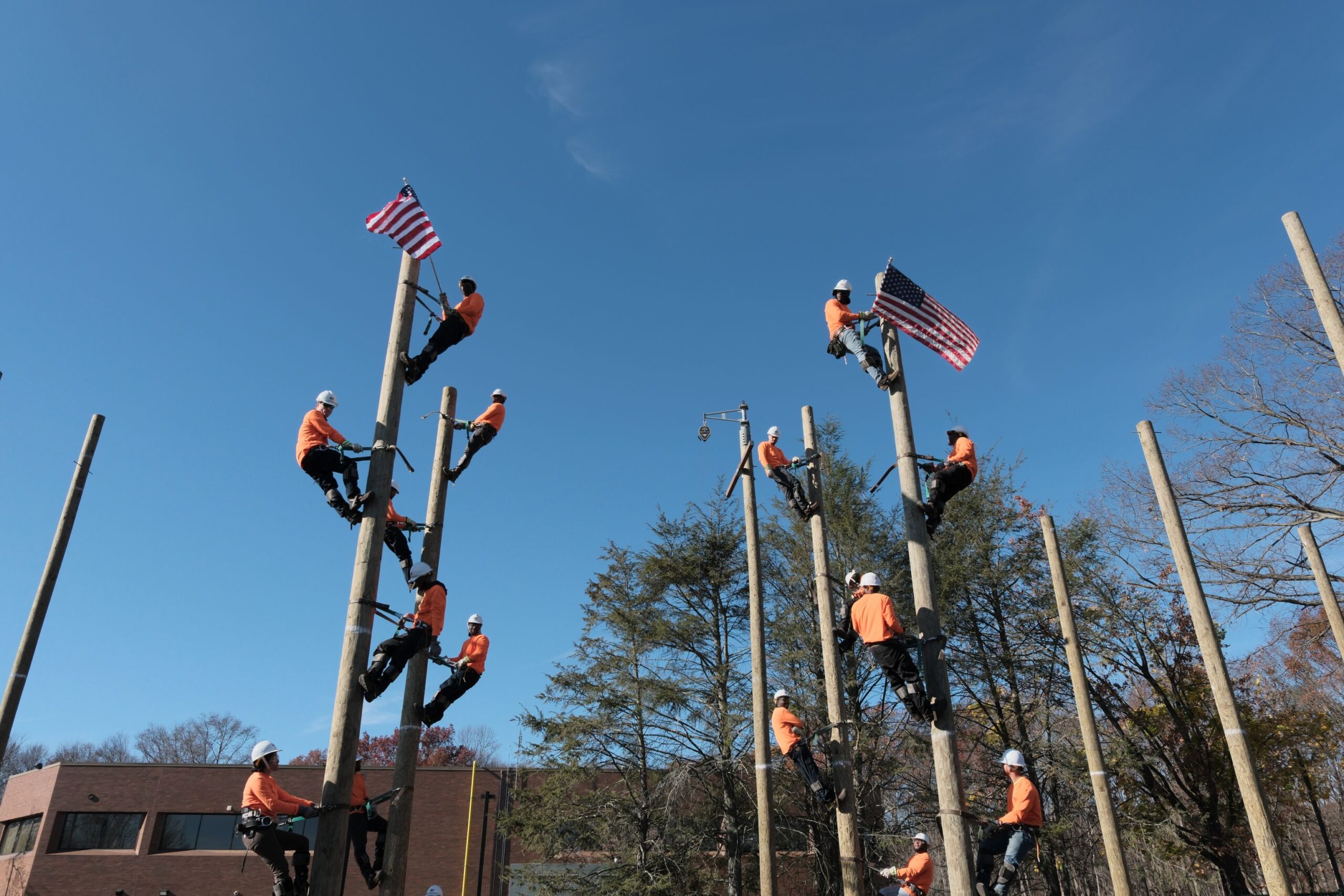
Last fall in Connecticut, UI celebrated the graduation of 17 participants from the inaugural Introduction to Overhead Line Worker program. This hands-on, three-week program provided individuals from New Haven and Fairfield Counties with essential training in electric line construction, including safety protocols, pole climbing, and live-line work. The program is part of a broader initiative to create sustainable career pathways in the skilled trades, with a focus on individuals from Environmental Justice communities. UI is preparing for the second cohort of the program this year.
“As advocates for workforce development, we value our partnership with Avangrid, UI, CT State-Housatonic and UWUA Local 470-1 in strengthening the local utility workforce,” said Joseph Carbone, President and CEO of The WorkPlace. “As the electrical industry evolves and the demand for clean energy grows, we are committed to preparing the local workforce to meet these challenges. Our goal is to develop a skilled, adaptable workforce that can not only meet today’s needs but also thrive in the utility sector of tomorrow.”
“We are committed to strengthening our local workforce, particularly in Environmental Justice communities,” said Frank Reynolds, President and CEO of UI. “By recruiting from these areas, we’re creating meaningful career opportunities while investing in the long-term sustainability of the local electric grid. We look forward to continuing our collaboration with CT State-Housatonic and The WorkPlace to further develop a skilled workforce for the future.”
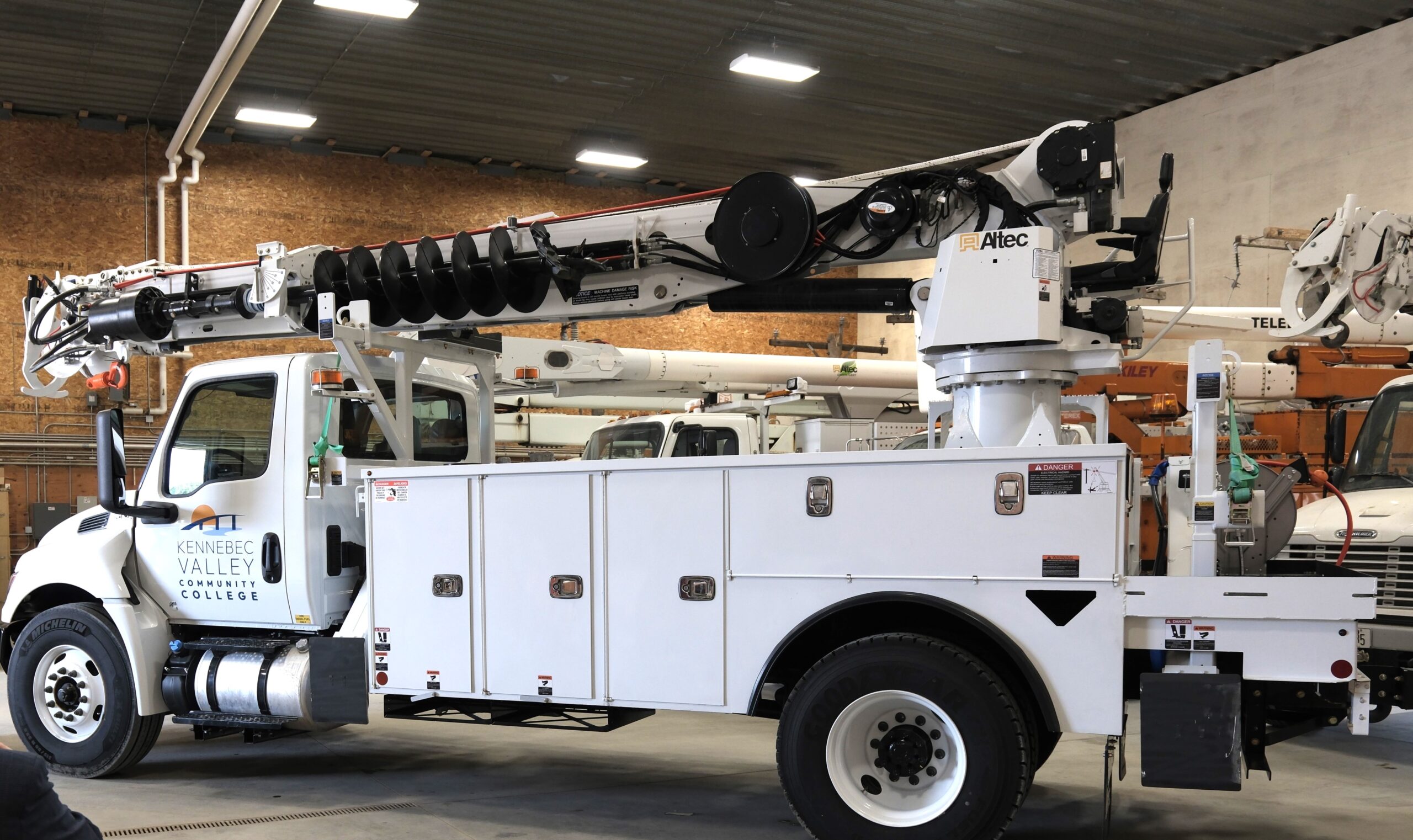
KVCC’s new Derrick Digger Truck, specialized equipment for essential workforce development.
In Maine, for the Kennebec Valley Community College program, students train at the CMP’s specialized facility in Farmingdale, Maine, building on a close, six-year partnership between KVCC and CMP to directly onboard graduates of this program. In addition, the Avangrid Foundation, CMP, and KVCC recently held a ribbon-cutting ceremony to celebrate the unveiling KVCC’s new Derrick Digger Truck, a state-of-the-art addition to the program’s training resources, made possible in part by a $100,000 grant from the Foundation.
“This investment represents more than just cutting-edge equipment for the Line-worker Program. It’s a powerful symbol of our commitment to prepare students for critical roles in Maine’s energy future,” said KVCC President Karen Normandin. “We’re deeply grateful to Avangrid Foundation, CMP, the Foundation for Maine’s Community Colleges, and an anonymous donor for their generous support, which ensures our graduates are job-ready and positioned to keep our communities connected.”
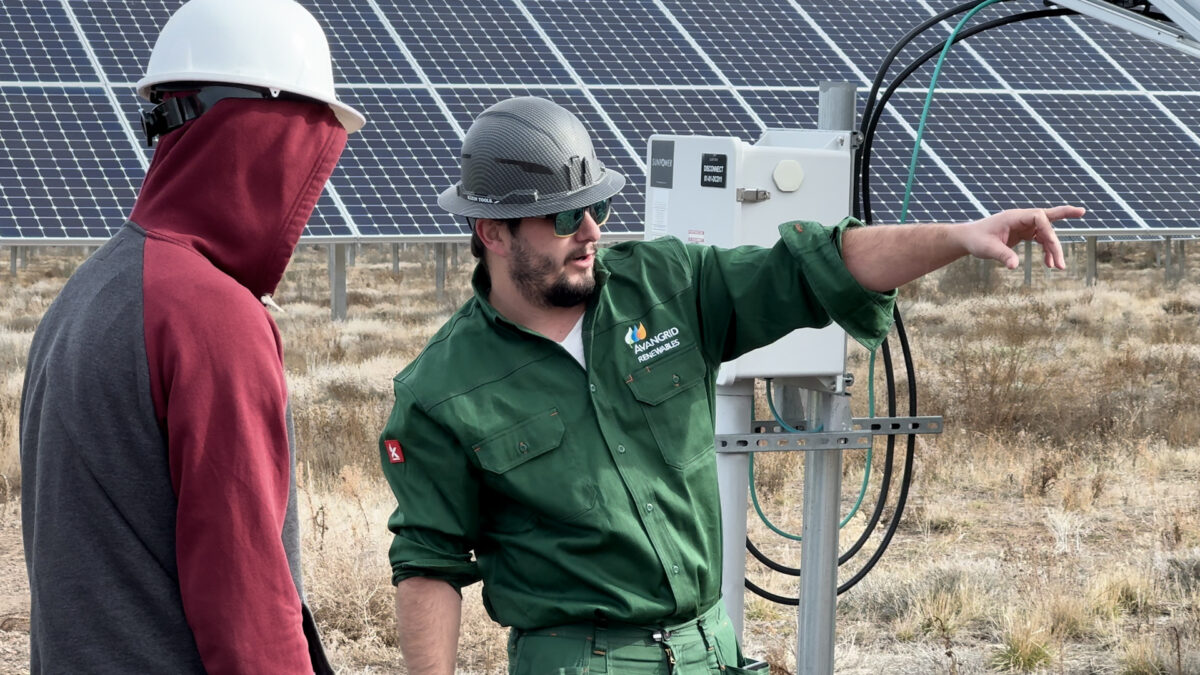
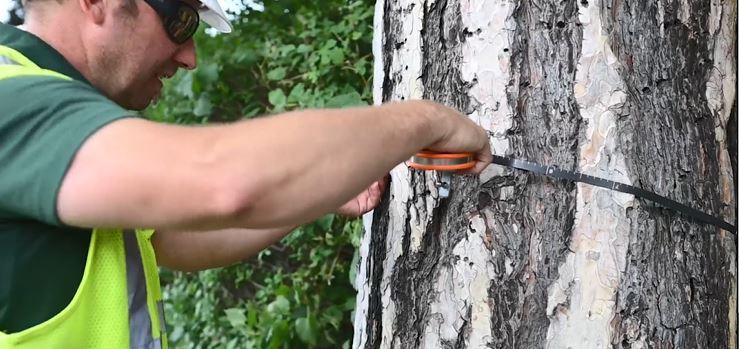
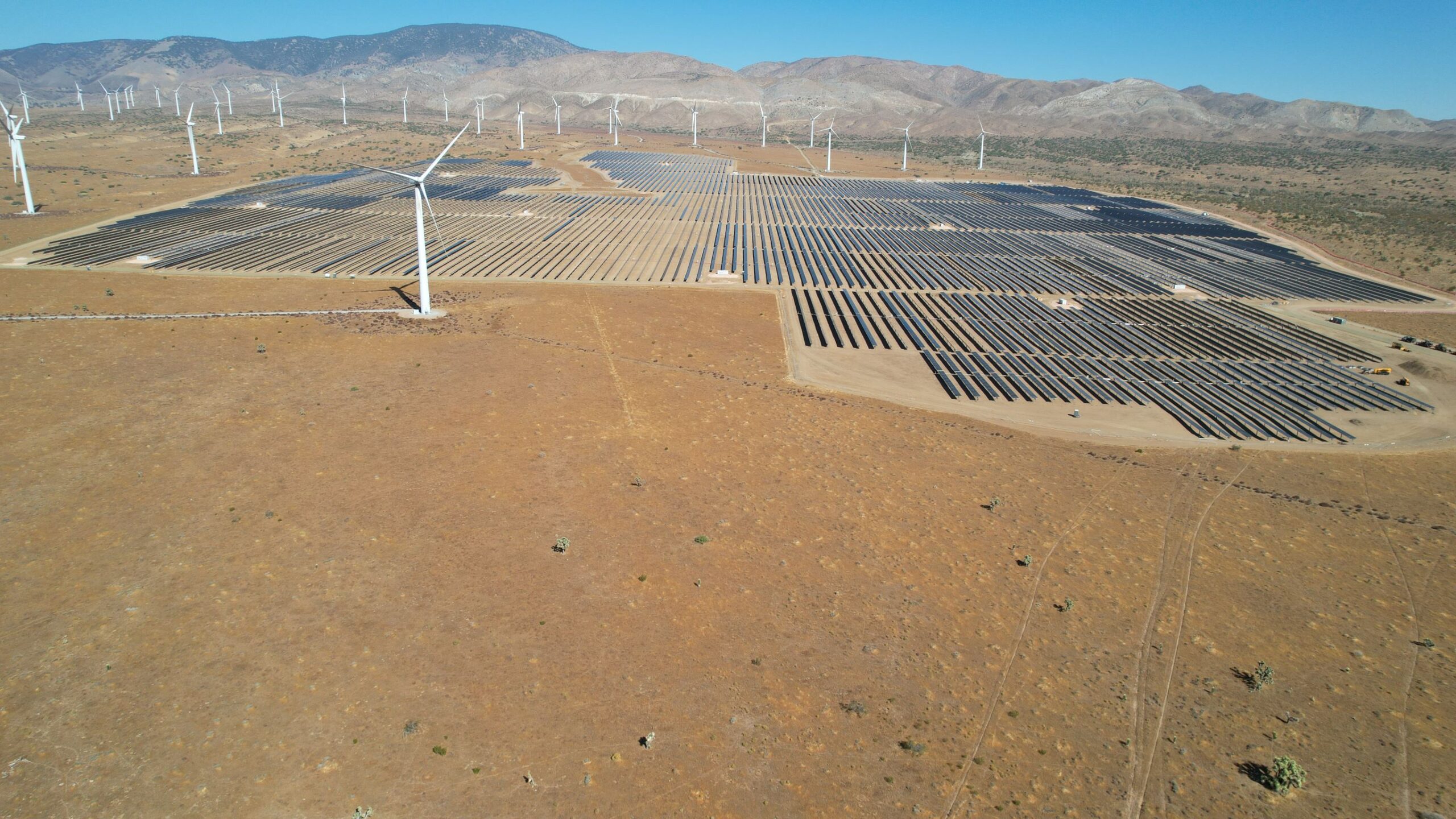
Avangrid’s training programs also extend into the power generation space. While geography and logistics can be challenging, the opportunity to work at generation sites is significant. Interns receive on-the-job training, and when permanent roles become available, they’re often top candidates for hiring.
Beyond practical experience, these programs also aim to reshape perceptions about trade careers. Many students are told that success requires a four-year college degree—but Avangrid offers an alternative that is financially rewarding, meaningful, and immediate.
“Our partnership with local technical high schools is vital in connecting with students and giving them a glimpse of the rewarding careers in electric operations, “ said Moses Rams, President of UWUA Local 470-1 and Chief Line Crew Leader at UI. “As we enter our third year of the Trade Internship Program, we are excited to engage with students who have a passion for the electric industry. With trainers who have decades of experience, we are committed to providing a safe, supportive environment where students can develop the skills needed for success in the field.”
This effort is about more than just filling jobs—it’s focused on creating opportunities, strengthening communities, and building a future workforce that reflects the regions Avangrid serves. It’s a win-win approach that benefits students, employees, and the communities they call home.