

Hurricane Season: Be Prepared
High winds. Heavy rains. Downed trees. Hurricane season is here. Are you prepared?
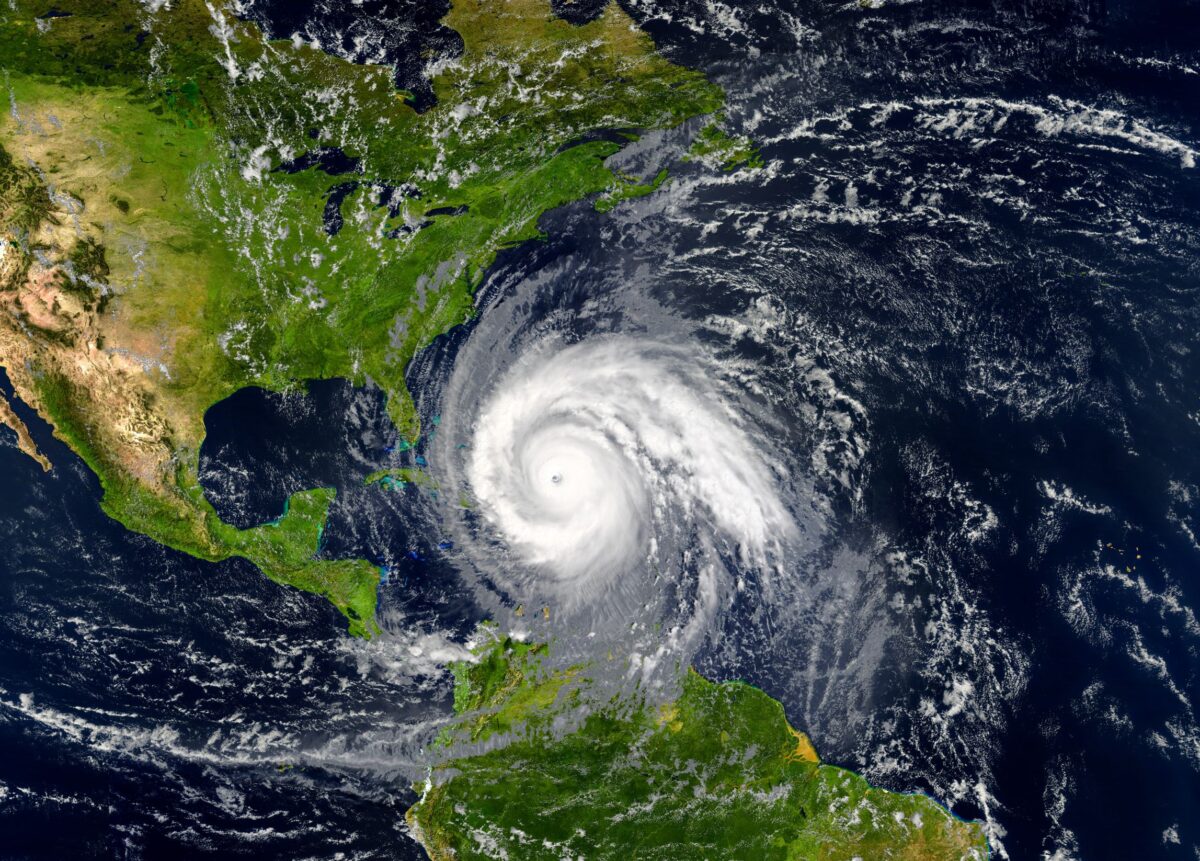
Hurricane season is officially upon us, running from June through November. At Avangrid, safety is always job #1. And being prepared is the most important step in staying safe. While not every storm causes damage, it only takes one to disrupt lives, knock out power, and threaten safety. You only need to think back to September of last year, when Hurricane Helene veered inland and caused widespread devastation in the Carolinas, Tennessee and Virginia, to understand just how much unexpected damage one storm can cause. Planning ahead and knowing what to expect can make all the difference.
“At Avangrid, we prioritize safety and preparedness,” says Jenny Pearce, Avangrid’s Vice President of Reliability Assurance and Emergency Management. “Each and every employee pitches in and contributes to our emergency response plan. We are active proponents that being prepared is not just about having the right tools, but having the right skills and knowledge to put those tools to work.”
Start with a Plan
And we encourage our customers to be prepared as well. The first step? Create or review your emergency plan and build a storm kit.
First, make sure you know the evacuation routes in your area and identify a safe place to go if you need to leave your home. Make sure every family member knows the plan, including how to reach each other if separated.
Keep a list of emergency contacts, including your power’s company’s toll-free outage reporting number. Program it into your phone and keep a written copy in your emergency kit. And don’t forget to register for outage alerts.
Video: Earlier this year, our Connecticut company, United Illuminating, joined forces with the Town of Hamden, CT, WTNH News 8, the Connecticut Career Fire Chiefs Association, and UI’s own VP of Electric Operations, Chuck Eves, to help communities get storm-ready.
Stay Informed
A hurricane watch means conditions are possible within 24 to 36 hours. Begin preparing your home and gathering supplies. A hurricane warning is more serious. It means a storm is expected within 24 hours. Follow all instructions from emergency officials and evacuate if advised.
Monitor weather updates through local TV, radio, or trusted weather apps.
Build an Emergency Kit
Most experts suggest having enough supplies on hand to last at least three days. Your kit should include:
• Bottled water and canned food (and a manual can opener)
• Flashlights, radios, and extra batteries
• Prescription medications, basic first aid items and toiletries
• Extra cash and a full tank of gas in your vehicle
• Important documents, including insurance policies
Also, prepare to cover windows with plywood or storm shutters, and (if applicable) make sure gutters and downspouts are clear to prevent flooding.
Know When to Evacuate
Evacuation may be necessary if:
- You live in a flood-prone area or near the coast
- Your home is vulnerable to falling trees
- You reside in a mobile home
- You are directed to evacuate by local authorities
If possible, tell someone outside your immediate area – a friend or family member — where you plan to go. Bring your emergency kit and turn off utilities if instructed. Remember, always adhere to official state or town warnings and advisories. If you’re being told to evacuate, then it’s time to evacuate.
During and After the Storm
During the storm, stay indoors and away from windows. Be sure your storm kit is nearby and accessible. After the storm, while it may be tempting to rush outdoors to inspect for damage, do not be fooled by a sudden calm. If the eye of the storm passes over, dangerous winds can return quickly. And flooding can occur hours after a storm moves out.
Never approach downed power lines. They may still be energized and extremely dangerous. Report them immediately and keep children and pets away.
The key to hurricane safety is simple: be prepared. Taking steps now can help reduce risk and protect loved ones when storms approach. Visit your utility company’s website or FEMA.gov for preparedness tips, outage information, and emergency resources to stay ready and resilient this season.