Doing Our Part for Carbon Neutrality
This is the final installment of a 3-part series explaining Avangrid’s carbon neutrality goal. Our previous posts covered at a high level why companies set these types of goals, what the solutions are, and how progress is measured (see Part 1 and Part 2).
So – how is Avangrid reducing its Scope 1, 2, and 3 emissions? And does getting to carbon neutral mean there will be no more CO2 emissions at all?
Carbon Neutral: Explained
It’s important to understand that being “carbon neutral” or “NetZero” (a similar though not identical term used more commonly in the UK and EU) doesn’t mean eliminating greenhouse gas emissions completely.
Being “carbon neutral” means to balance the amount of CO2 going into the atmosphere with that being removed – in other words, not eliminating all CO2 emissions but rather achieving a state in which the CO2 being emitted doesn’t exceed that which is being removed. In nature, this balance is achieved via the carbon cycle by the activity of carbon sources (things that emit CO2) and carbon sinks (things that absorb CO2). Becoming “NetZero” is similar in concept, but more comprehensive in application – for example, it includes Scopes 1, 2, and 3, and all types of greenhouse gases. Learn more here about the differences.
Carbon Neutrality Goals
Setting ambitious public goals is a way to drive progress, accountability, and the support of lawmakers and regulators. Around the world, countries, local governments, organizations and companies have publicly committed to emissions reductions:
- As a country, the United States has committed to carbon neutrality by 2050.
- Over 20 individual U.S. states – including Avangrid’s major operating geographies New York, Connecticut, Oregon, Maine, and Massachusetts – have their own goals for carbon neutrality, greenhouse gas reductions, or carbon-free electricity.
- Avangrid is part of the Iberdrola Group of companies, and Iberdrola has committed to NetZero across its global operations by 2040.
- And Avangrid, across all companies – NYSEG, RG&E, CMP, MNG, UI, CNG, SCG, BGC, Renewables & Corporate – has committed to carbon neutrality for Scopes 1 and 2 by 2030.
Avangrid was the first American utility to commit to carbon-neutral goals and set a target for 2035 – and then to further demonstrate leadership, we moved our target date even earlier, to 2030!
Doing Our Part
As we learned in our last post, common strategies for reducing greenhouse gas emissions on a large scale include use of electric and hybrid vehicles; sourcing from suppliers who are reducing their emissions; and increasing renewable energy use and energy efficiency in buildings.
At Avangrid, the opportunities we have as an electric and natural gas utility company and a renewable energy company are uniquely exciting, including ways to not only reduce our own emissions but also to educate and support our customers. Key initiatives across Avangrid include:
- Transitioning 60% of our vehicle fleet to alternative energy vehicles by 2030, including 100% of our light-duty vehicles
- Reducing methane emissions from leak-prone pipes and investing in technologies such as the use of satellites to assist in early detection of methane emissions
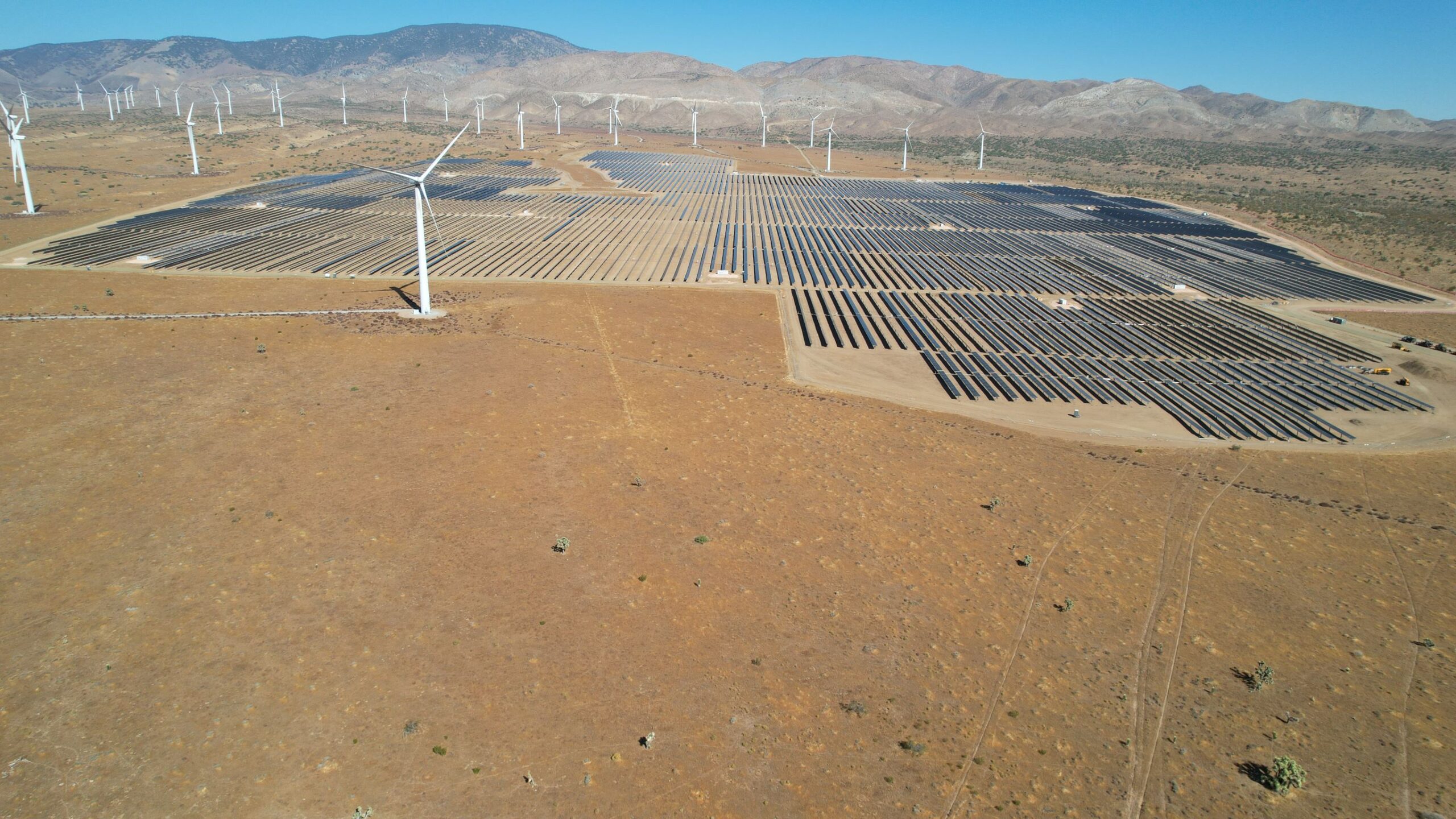
- Building more renewable plants – such as onshore and offshore wind, and solar. Since 2015, we’ve increased our emissions-free installed capacity by more than 50%, to a total of 9 GW
- Increasing renewable electricity in corporate buildings – our goal is to be 100% by 2030
- Installing 15,000 EV chargers by 2030 to support the growth of EV infrastructure – we are already ahead of our 2024 target
- Continually sharing with our customers opportunities and programs to help improve energy efficiency and adopt electrification (such as switching to an electric vehicle or heat pump)
- Investing in emissions-reduction and sustainability innovations, research, and partnerships – such as the offshore wind partnership with climate tech incubator Greentown Labs, part of a variety of innovation investments we make every year
Progress Year Over Year
You can see Avangrid’s overall greenhouse gas emissions levels in our Annual Sustainability Report, which houses a wealth of information and data about the sustainability of our operations. Avangrid includes other greenhouse gases in our goal and in our progress reports – and we convert these other gases to CO2e or “CO2 equivalents” to make reporting consistent and easier to understand. Other gases for Avangrid include things like methane (from our natural gas operations) and sulfur hexafluoride (SF6, used in electrical equipment).
Our first obligation is to serve our customers – and there are years where weather, supply, and other factors result in faster or slower progress on our long-term carbon neutrality goal. Nonetheless, we remain committed to our goal, and we continue to be able to balance certain increases in emissions with strong results in other areas reducing emissions. Overall, we have confidence that our initiatives are driving long-term results.
Hopefully you now have a better understanding of what’s behind Avangrid’s goal to be carbon neutral for Scopes 1 and 2 by 2030. If you have a sustainability or social impact topic you’d like to hear more about, or a sustainability question for our team, please drop us a note anytime at sustainability@avangrid.com.